
Car Key Replacement by Brand — What Actually Changes
The cutting and programming requirements for a replacement car key are not universal — they shift significantly depending on who made the vehicle. For General Motors vehicles (Chevrolet, GMC, Buick, Cadillac), older model years used VATS resistor keys, while newer platforms use transponder chips or the GM two-button fob integrated into the key head. Each requires a different cloning or onboard programming approach. Ford and Lincoln vehicles have used a range of systems including 80-bit transponders and, on recent models, the PATS (Passive Anti-Theft System) that must be reset through an OBD port sequence. A Ford F-150 sitting in the driveway off Avenue C needs a different procedure than a 2019 Ford Edge, even though both come from the same manufacturer.
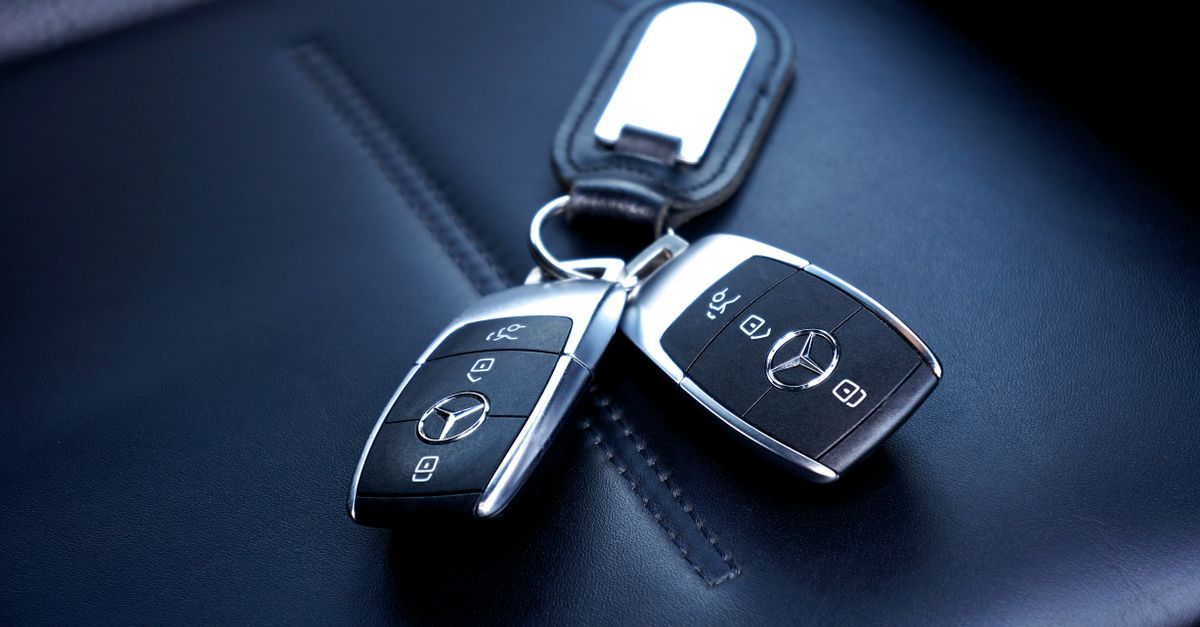
Foreign makes introduce additional layers. Toyota and Lexus use a D4 transponder chip on older platforms and H-chip or proximity smart keys on newer ones — the 2020-and-up 4Runner, for example, requires a dealer-level programming sequence our technicians can replicate in the field. Honda and Acura keys involve a separate immobilizer module that must be re-synced after any new key is introduced. European vehicles — BMW, Mercedes-Benz, Audi, Volkswagen — are among the most technically demanding: BMW EWS and CAS systems, Mercedes EZS/ESL modules, and VW MQB platform keys all require specialized diagnostic interfaces. Hyundai and Kia have received attention in recent years for their key and immobilizer systems; our technicians are up to date on the relevant platform requirements for those models as well. In every case, we verify ownership documentation before any work begins — a non-negotiable step our insured team follows without exception.