
Why Keys Snap — and Why It Matters for Mortise Lock Hardware
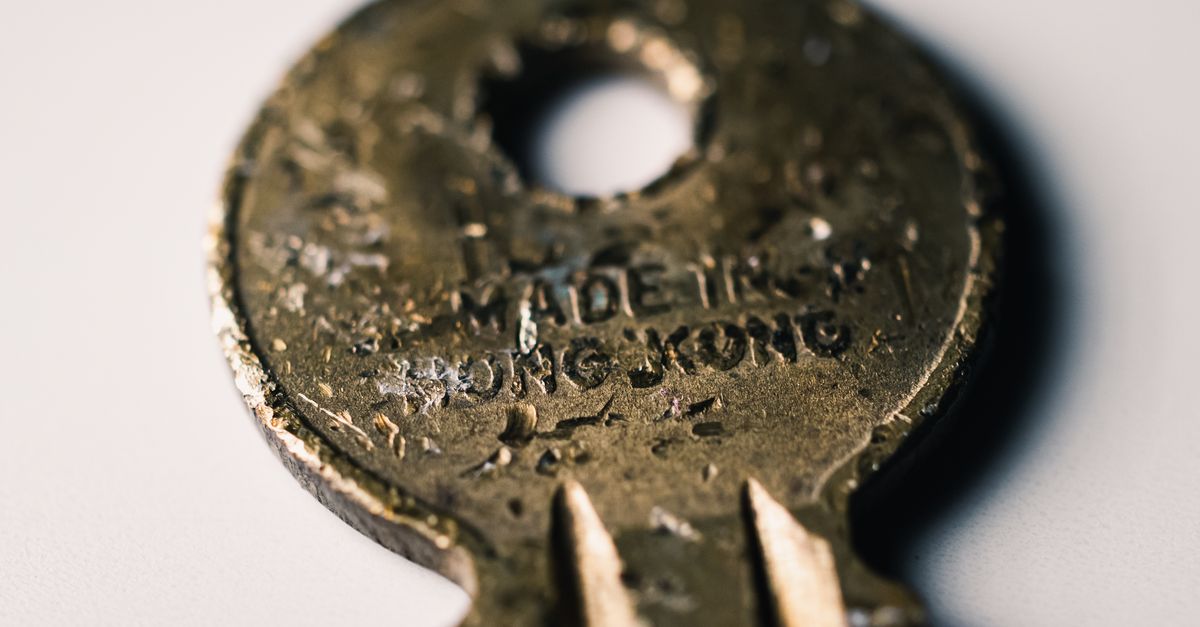
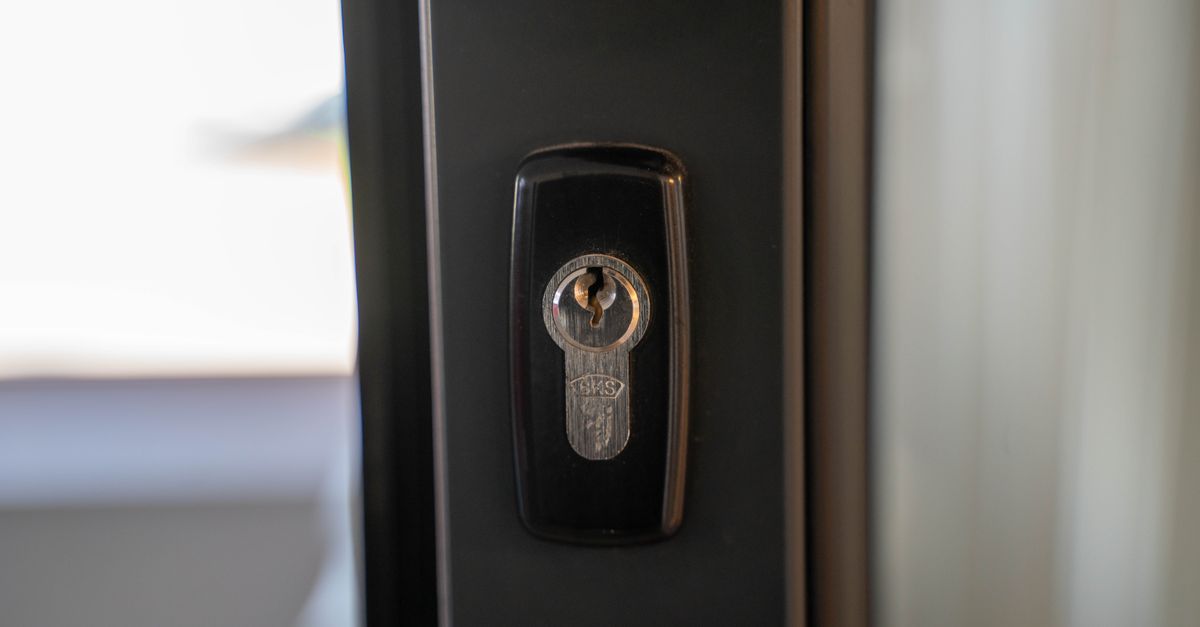
Keys break for a cluster of reasons: metal fatigue from years of use, a lock cylinder that has become stiff or misaligned, a moment of impatience forcing a key that wasn't quite seated, or the gradual wear that turns a copied duplicate key brittle over time. In Bayonne's older residential stock — the prewar apartment buildings clustered around the Heights neighborhood, the row houses near Kennedy Boulevard — mortise locks are everywhere. A mortise lock is a heavy-duty mechanism installed inside a mortised pocket in the door's edge rather than mounted on the surface. Its cylinder tends to run deeper than a standard door knob lock, which means a broken key can travel further into the barrel and become genuinely difficult to retrieve without the right equipment. Attempting to fish it out with household tools often results in the fragment being forced past the first pin stack, making the job harder and risking permanent damage to the cylinder.
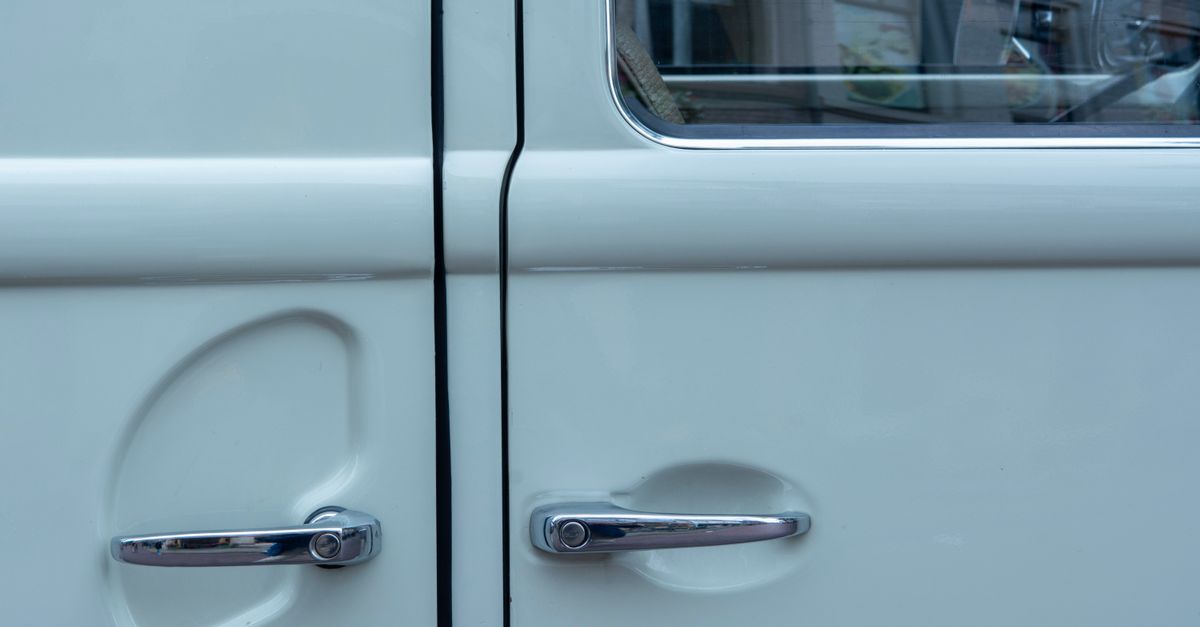
The same principle applies to vehicle ignitions. Modern ignition cylinders are precision components, and a broken key inside one is not a DIY situation. Forcing the ignition or using improvised tools can damage the cylinder, the wafer stack, or the anti-theft components — turning a straightforward extraction into a costly cylinder replacement. Our technicians assess the break point and the cylinder condition before touching anything, choosing the least invasive method available.