Bayonne Locksmiths Service Team
Local locksmith team
Mar 30, 2026 9 min read
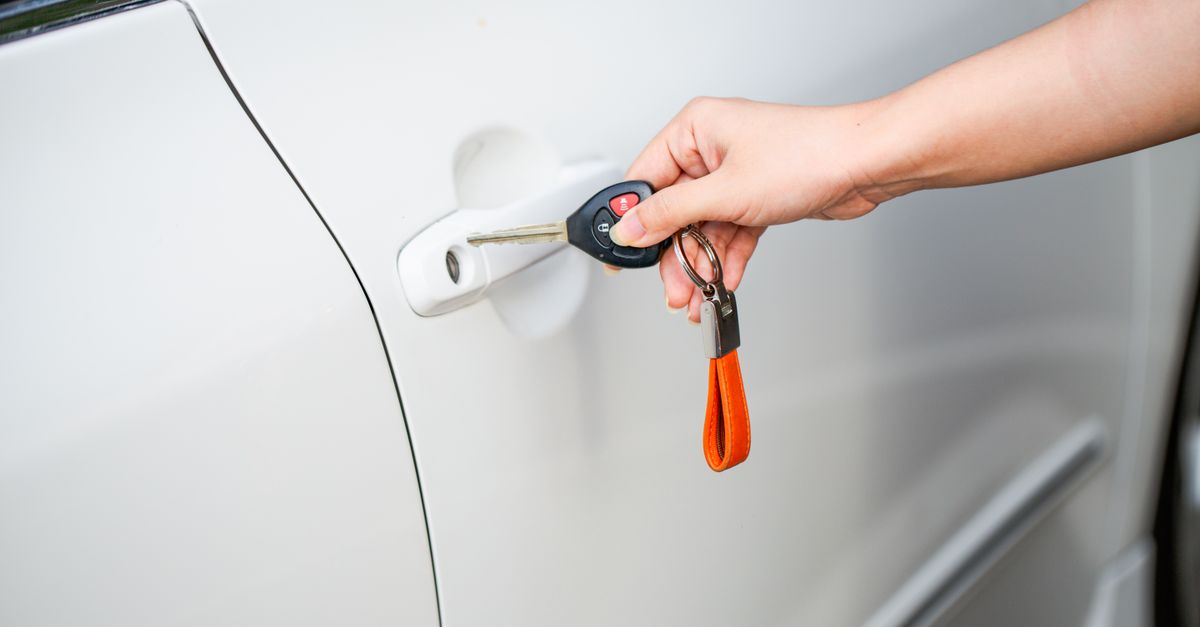
You just got the keys to your new place in Bayonne — maybe a row house off Avenue C, a condo near the Kill Van Kull waterfront, or a rental apartment a few blocks from the 34th Street light rail stop. Exciting moment. But here's the thing: you have no idea who else has a copy of those keys. The previous tenant, their ex, their landlord's handyman, the dog-walker from two years ago — any of them could still have access to your home. That's not paranoia. That's just how key distribution works over time.
The good news is you don't necessarily need to rip out every lock and start from scratch. For most Bayonne homeowners and renters, rekeying is the smarter first move — faster, less disruptive, and priced based on straightforward factors rather than worst-case assumptions. This guide walks you through exactly what rekeying means, when a full lock change makes more sense, and what to expect when you call a professional to get it done right.
## Rekey or Change the Lock? Understanding the Real Difference
Rekeying a lock means a skilled technician disassembles the lock cylinder and replaces the internal pins so that the old keys no longer work — only the new ones you receive will operate the lock. The hardware itself, the deadbolt, the knob, the mortise lock body, all stays in place. This is why the question 'can you rekey a lock without replacing it?' has such a satisfying answer: yes, almost always. When you rekey a door lock, you're essentially changing the lock's 'memory' without touching anything visible from the outside.
Changing the lock, by contrast, means removing the entire lock mechanism and installing a completely new one. This makes sense in specific situations: the existing hardware is damaged or worn, you're upgrading from a basic door knob lock to a more secure deadbolt or mortise lock, or the lock is so old that rekeying it no longer produces a reliable result. A full lock change also makes sense if you want to standardize all the doors in your home to a single key — which a professional can often accomplish during a rekey visit anyway, by keying multiple locks alike.
## How Do You Rekey a Door Lock — And Can You Rekey Any Lock?
Here's what the process actually looks like when a trained locksmith handles it. The technician removes the lock cylinder from the door, uses a specialized follower tool to extract the key pins, replaces them with pins of a different height combination that matches a new key, reassembles the cylinder, tests the new key in the lock, and confirms smooth operation before the job is considered done. The whole process for a standard deadbolt or door knob lock typically takes well under half an hour per lock. Mortise locks — the older, more complex rectangular mechanisms you'll find in a lot of Bayonne's pre-war row homes and multi-family buildings — take a bit more care and expertise, but an experienced locksmith handles them routinely.
So can you rekey any lock? The honest answer is: the vast majority of residential locks, yes. Kwikset, Schlage, and most standard pin-tumbler deadbolts and knob locks are all rekeyable. There are exceptions — some high-security locks use proprietary systems that require the manufacturer's specific kit, and severely worn or damaged cylinders may not hold a reliable rekey. A professional can assess this on-site and tell you upfront exactly what the job calls for before any work begins. Pricing is quoted based on factors like the lock type, the number of locks being rekeyed, any parts needed, and the time of the service call — and you'll receive a confirmed price before the technician touches a thing.
## Mortise Lock Rekeying: What Bayonne's Older Homes Require
Bayonne has genuine architectural character — a lot of its residential stock dates to the early and mid-20th century, and those buildings often feature mortise locks rather than the cylindrical locks you'd find in newer construction. A mortise lock is installed inside a pocket (the mortise) cut into the door, and it integrates the latch, deadbolt, and sometimes the knob mechanism into a single rectangular case. They're durable, they look distinctive, and they're very much worth preserving — but they require a locksmith who actually knows what they're doing. Not every technician has hands-on experience with the variety of mortise lock brands and configurations found in Hudson County's older housing stock.
If your new Bayonne home has mortise locks, rekeying them is absolutely worth pursuing before assuming you need full replacements. A skilled locksmith can remove the mortise cylinder, repin it, and reinstall it so your new keys work flawlessly — without disturbing the door prep or the beautiful old hardware. If the lock is damaged or the cylinder is beyond reliable service, a professional can source a compatible replacement cylinder or discuss a full mortise lock replacement that keeps the door intact. This is core work for our team, and it's one of the most common service calls we handle in residential Bayonne buildings. If you want to talk through your specific lock situation right now, call (201) 831-7360 — we're available around the clock.
## When a Full Lock Change Makes More Sense After Moving
Rekeying is the right call the majority of the time, but there are clear situations where replacing the entire lock is the better investment. If the locks on your new home are visibly old, sticky, or showing wear — if a key sometimes sticks or the bolt doesn't throw cleanly — a rekey may solve the key-access problem without fixing the underlying reliability issue. In that case, upgrading to a fresh deadbolt, a new mortise lock, or a keypad entry system makes more long-term sense. Similarly, if you're moving into a property where you want to add a second lock, reinforce a weak door knob lock setup with a proper deadbolt, or install a smart lock for keyless entry, a full change is the natural path.
Landlords and property managers in Bayonne sometimes face a different version of this decision: after a tenant moves out, is it better to rekey or replace? Rekeying is almost always sufficient between tenants, provided the hardware is in good condition. But if a tenant damaged the lock, if the building is upgrading security across multiple units, or if you're transitioning from individual door knob locks to a more unified access system, a commercial locksmith visit for full replacements may be the right project. We work with Bayonne property owners on both residential and commercial accounts, and every job gets a clear, confirmed quote before work begins — with pricing factors including lock type, quantity, any new hardware needed, and travel to your specific address.
## Keypad and Smart Lock Codes: A Note on Digital Entry
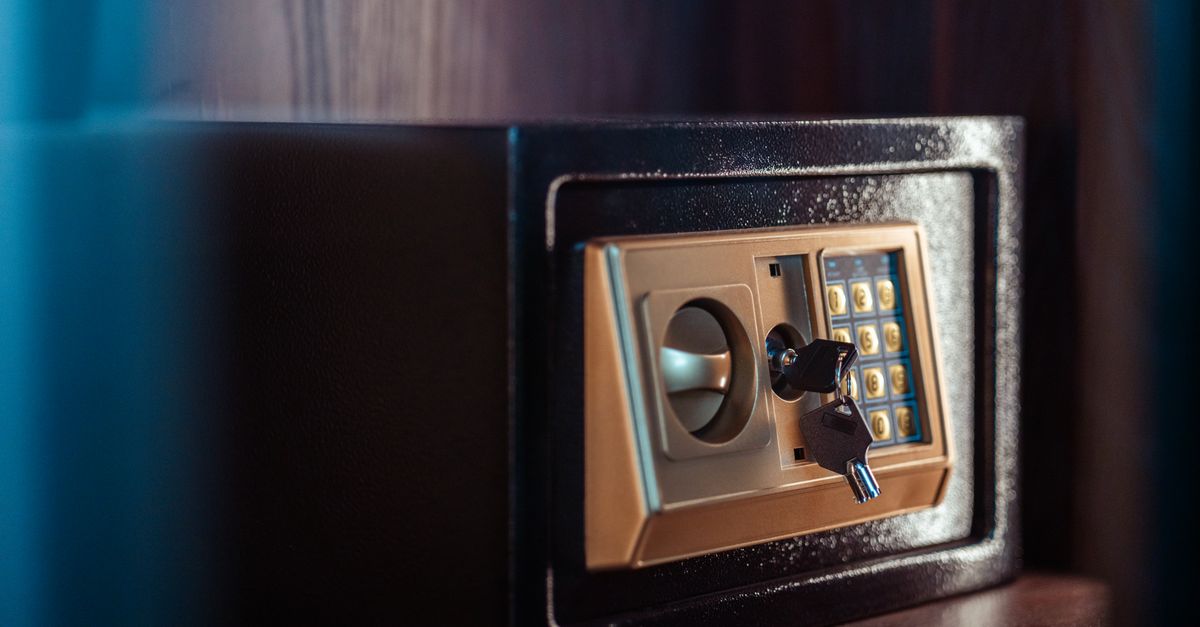
A common question that comes up after a move is how to change the code on a door lock — specifically a keypad or smart lock that the previous owner or tenant may have programmed. If you're wondering how to change the code on a Honeywell door lock or another electronic model, the general answer is that each brand has its own programming sequence, typically involving the manufacturer's master or programming code. Many keypad locks allow you to delete all existing user codes and reset to factory default, which is exactly what you want to do when you move in. The owner's manual or the manufacturer's support website will have the specific steps for your model.
However, if the previous occupant changed the programming code (the code used to add or delete user codes) and didn't share it with you, you may be locked out of the administrative side of the lock entirely. In that case, a trained locksmith can help — either by resetting the lock to factory default using the lock's physical override method or by recommending a replacement unit if a reset isn't possible. If you're not sure what type of electronic lock you have or how to gain administrative access after a move, a quick call to (201) 831-7360 gets you a straight answer from a professional who's seen the full range of residential keypad and smart lock hardware.
Frequently asked questions
How much does a locksmith cost in NJ, and what is the average call-out fee for a locksmith?+
There's no single fixed rate because a locksmith's price depends on several real variables: the type of lock being serviced (a mortise lock takes more time and expertise than a basic door knob lock), the number of locks on the job, whether new hardware is needed, the time of day the call comes in, and how far the technician needs to travel to your address. What we can tell you is that before any work begins, you'll receive a confirmed, exact quote — no surprises when the job is done. If you want to know what your specific situation in Bayonne will cost, call (201) 831-7360 and we'll give you a clear answer.
Can you rekey a lock yourself, or is a professional required?+
Rekeying kits for common brands like Kwikset and Schlage are sold at hardware stores, and experienced DIYers do sometimes rekey their own locks. But the process requires disassembling the cylinder, handling very small pin components that are easy to lose or install in the wrong order, and reassembling everything so the lock functions smoothly. A mistake can leave you with a lock that appears to work but fails under real use — or that jams entirely. For a mortise lock, which has more complex internal components, DIY rekeying is significantly more difficult. A professional locksmith does the job quickly, tests it thoroughly, and guarantees the result, which is why most Bayonne homeowners find it well worth the call.
What locks can locksmiths not open?+
A skilled locksmith can open the vast majority of residential and commercial locks through legitimate, non-destructive methods — picking, bypass, or impressioning — depending on the lock design and the technician's experience. Certain high-security locks, such as those with anti-pick, anti-drill, and anti-bypass features specifically engineered to resist professional tools, present a much harder challenge. In cases where non-destructive entry isn't feasible, the technician will explain the situation and discuss controlled drilling as an alternative, which allows the door to open but requires a new lock cylinder afterward. An experienced locksmith will always try the least invasive approach first and keep you informed throughout.
I just moved into a Bayonne rental — can my landlord require me to use their locksmith, or can I rekey the locks myself?+
New Jersey law allows tenants to change or rekey their locks for security purposes, though the specifics can depend on your lease agreement. Many leases require you to provide the landlord with a copy of the new key, which is reasonable and doesn't undermine your security. It's worth reviewing your lease before making changes and, if possible, notifying your landlord in writing. If you're unsure about the process or want it handled correctly the first day in your new home, our team can rekey your locks, confirm everything works, and advise on whether your setup meets standard residential security expectations for the Bayonne area.